With the recent news about Scrum Masters and Agile Coaches being laid off in organizations, the question that comes to mind is whether we are at the end of the road with regard to these roles that have in the past focused on building agile capabilities in organizations on a full time basis.
My opinion is that organizations will continue to have a need for people focused on helping teams to continuously improve their ways of working, improving team and organizational effectiveness.
Passing the PSM 1 assessment could be considered an indicator that you understand the Scrum theory and the principles that underpin Scrum. I always tell students in my PSM class, that my intention is not to make them pass PSM 1 but understand Scrum theory and principles.
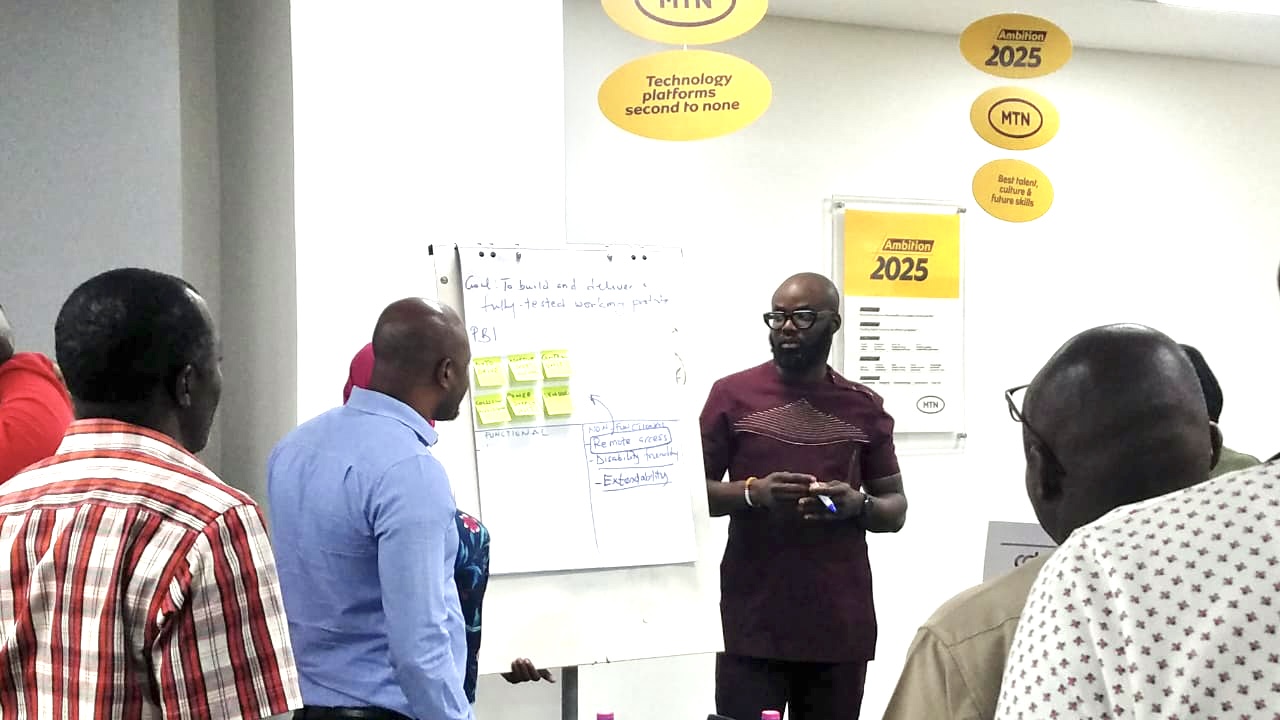
There are a number of exercises that Professional Scrum Trainers invite students to partake in the course of the PSM 1 class; these exercises have been designed on practical experiences of Professional Scrum Masters and these exercises create a solid foundation for you as you commence your Scrum Master career.
You have just passed your PSM 1 assessment; however you would like to get some working experience as a Scrum Master. In my time as a Professional Scrum Trainer with scrum.org, the people that share this concern with me fall in 2 categories:
People that have self studied for the PSM and achieved the 85% score for the PSM1 assessment People that attended a Professional Scrum Master class and achieved the 85% for the PSM1 assessment You must realise and accept that passing the PSM 1 assessment is not the end of the learning process; the journey to being an experienced Professional Scrum Master is a life long learning experience.